System choices & benefits
The material is selected for flexibility, seam strength and resistance to weathering in the specific roof assembly. Puncture and tear behaviour depend on thickness, reinforcement and support. Compatibility with fats, oils and rooftop exhaust must be checked for the proposed product; a broad claim of chemical resistance is not enough.
Installation & BC considerations
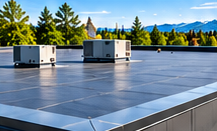
TPO can be attached using an approved adhered or mechanically fastened arrangement. Wind design, deck type, cover board, insulation and perimeter securement are coordinated. Welding settings respond to material and weather, with test welds and seam checks used to verify the process. Complex corners and penetrations need approved accessories.
Typical problems & diagnosis
Poor welds, contaminated seams, punctures and edge movement are common defect locations. Leaks near rooftop equipment can originate in curbs or flashings rather than in the field sheet. Persistent ponding and hidden wet insulation need investigation before a coating or repair is considered.
Inspection, maintenance & estimate scope
Keep drainage routes clear and inspect after significant weather or roof access by other trades. Clean using manufacturer-approved methods and record the membrane type for future repairs. Ask for documented seam checks and a clear scope; do not assume a fixed energy saving, service life or warranty simply because the roof is described as a cool roof.
Draft technical guidance for BC project planning. Service availability and product specifications require confirmation. No Northview qualification, warranty or verified service territory is implied.