System choices & benefits
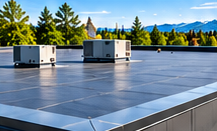
An EPDM roof may be fully adhered, mechanically attached or ballasted where the design permits. Attachment depends on wind loading, substrate and structure; ballast adds weight and needs an engineering review. Installation does not require an open flame, which can be helpful where hot work is unsuitable.
Installation & BC considerations
The deck must be sound and the insulation and cover board appropriate to the attachment method. Seams need approved cleaning, priming and joining materials. Curbs, drains and perimeter transitions need system-specific details. Temperature and moisture conditions affect adhesive performance, and the contractor should plan suitable application weather.
Typical problems & diagnosis
Open lap edges, punctures, shrinkage at restraints and loose perimeter securement are common inspection points. Ponding, trapped moisture and damage from rooftop trades can compromise an otherwise intact membrane. Grease, oils and other contaminants require a specific compatibility check; rubber is not resistant to every chemical.
Inspection, maintenance & estimate scope
Inspect seams, drains and penetrations and provide designated routes for rooftop servicing. Repairs should use compatible materials and include a moisture assessment where leakage has persisted. A quote should identify attachment, membrane specification, insulation, drainage work and access requirements; roof suitability is determined by the design, not by a claim that EPDM fits every surface.
Draft technical guidance for BC project planning. Service availability and product specifications require confirmation. No Northview qualification, warranty or verified service territory is implied.