
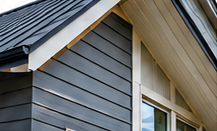
System choices & benefits
Head flashings, sill details, kick-outs, drip edges and transitions serve different purposes. A properly formed detail can keep runoff away from edges and reduce repeated wetting. Metal choice and finish must suit adjacent materials and exposure, particularly where dissimilar metals or coastal conditions create corrosion risk.
Installation & BC considerations
Confirm laps, end dams, slopes, fixings and expansion needs. The water-resistive layer must direct water onto the flashing rather than behind it. Sealant may be part of an approved detail, but should not replace a drainage-oriented connection. Roofing and wall installers need an agreed sequence at shared junctions.
Typical problems & diagnosis
Flat or back-sloped flashings, missing end dams, reverse laps and blocked outlets can route water inward. Corrosion, punctures and fatigue can appear at fixings or folds. A stain below a window can reflect a concealed sill issue rather than a failure of the siding alone.
Inspection, maintenance & estimate scope
Inspect visible joints, finish damage and recurring wet areas. During repairs, replace or rebuild deficient details instead of concealing them with additional sealant. Ask the estimate to define metal, finish, fabrication, access and how the detail connects to the wall and roof systems.
Draft technical guidance for BC project planning. Service availability and product specifications require confirmation. No Northview qualification, warranty or verified service territory is implied.