System choices & benefits
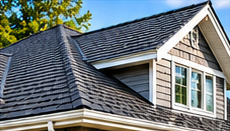
Traditional three-tab shingles have a consistent rectangular pattern. Architectural shingles use laminated layers to create depth and a more varied appearance. Premium or designer shingles can suggest slate or cedar without using those materials. Performance products may address algae, wind or impact resistance, but a product in this category does not automatically provide every feature. Compare the actual technical data and tested assembly rather than relying on a category name.
Installation & BC considerations
Tear-off exposes the sheathing for checking rot, movement and fastening. The scope should identify deck repairs, eave protection, underlayment, valleys, starter courses, ridge details and flashing at walls and penetrations. Pitch limits, nail placement and fastening patterns follow the selected manufacturer and the applicable design. In cool weather, seal strips may take longer to bond; temporary or supplementary measures must follow product instructions.
Typical problems & diagnosis
Lifted tabs, missing shingles, exposed fasteners and split flashings are potential entry points. Granule loss needs context: age, handling and hail can produce different patterns. Moss and overhanging branches can retain moisture, while blocked attic intake can create condensation that resembles a leak. A ceiling stain may be some distance from the roof defect.
Inspection, maintenance & estimate scope
Arrange safe inspections after severe weather and when changing the roof. Keep gutters clear and avoid abrasive cleaning or pressure washing that removes granules. Ask an estimate to distinguish material choice, removal, deck allowances, ventilation work and waste handling. Fire and impact ratings, warranty eligibility and any insurance discount require confirmation for the exact product and installation.
Draft technical guidance for BC project planning. Service availability and product specifications require confirmation. No Northview qualification, warranty or verified service territory is implied.